Delicious Ways to Sneak Extra Veggies Into Your Meals
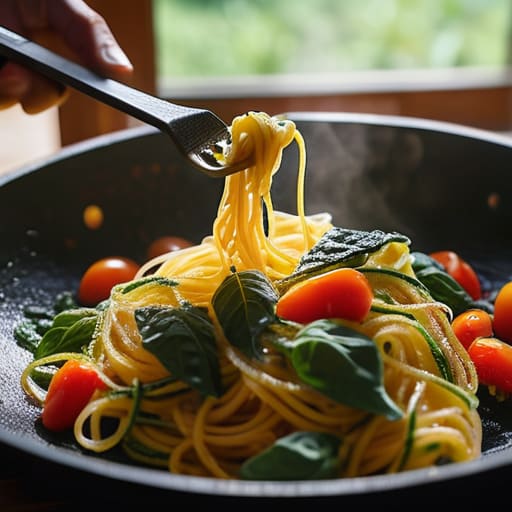
I am so tired of seeing those aesthetic “wellness” reels where people spend sixty dollars on organic dragon fruit and microgreens just to look good on camera. If you think you need a massive grocery budget or a professional chef’s skill set to figure out how to eat more vegetables, you’ve been lied to by the wellness industry. Most of that stuff just ends up wilting in the back of your fridge, which is basically just throwing money in the trash. I grew up in a tiny apartment where every cent mattered, so I learned pretty quickly that eating well isn’t about the fancy labels; it’s about being smart with what’s actually available.
I’m not here to give you a list of expensive superfoods or complicated recipes that require twenty different spices you’ll never use again. Instead, I want to share the low-effort, budget-friendly strategies I actually use to keep my energy up without losing my mind. We’re going to talk about real-world hacks—like using frozen staples and making simple swaps—that actually work when you’re tired and busy. Let’s focus on functional nutrition that fits into your real life, not some curated version of it.
Easy Vegetable Recipes for Beginners That Actually Taste Good
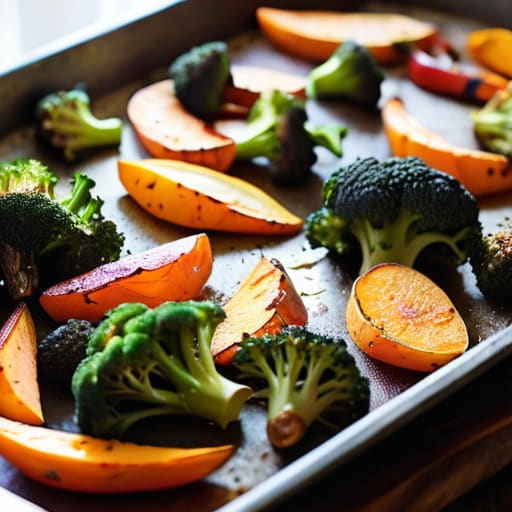
Look, I get it. Most “beginner” recipes involve a mountain of kale and a prayer that you don’t end up hating your life by Tuesday. If you want to actually stick to this, you need to stop treating vegetables like a chore and start treating them like a base. One of my favorite easy vegetable recipes for beginners is the “everything sheet pan.” You literally just chop up whatever is on sale—sweet potatoes, broccoli, bell peppers, whatever—toss them in olive oil, salt, and garlic powder, and roast them until they’re crispy. It’s low effort, minimal cleanup, and honestly, roasting is the ultimate cheat code for making things taste less like lawn clippings and more like actual food.
If you’re still struggling with the texture or flavor, try some hidden ways to add veggies to meals instead of making them the star of the show. I do this constantly when I’m meal prepping for the week. Finely grate some zucchini into your pasta sauce or blend some cooked carrots into a soup. You get all those benefits of increasing fiber intake through plants without having to sit there staring at a pile of steamed spinach. It’s not about being a gourmet chef; it’s just about being smart with what you’ve got.
Hidden Ways to Add Veggies to Meals You Already Love
If you aren’t the type who wants to sit down to a giant, intimidating kale salad every night, stop trying to force it. You don’t need to overhaul your entire diet overnight to see a difference. Instead, I’ve found that the easiest way to succeed is by using hidden ways to add veggies to meals you’re already making. For example, if you’re making a standard jar of marinara sauce, throw in some finely grated zucchini or some sautéed mushrooms. Once it’s simmered down, you won’t even notice the texture change, but you’ll definitely notice the boost in nutrients.
I also swear by the “blend and forget” method for smoothies or even soups. If you have some spinach that’s looking a little sad in the crisper drawer, toss it into a blender with frozen fruit or a bit of broth. It’s one of my favorite plant-based nutrition tips because it takes zero extra effort. It’s not about being a gourmet chef; it’s just about sneaking that extra goodness into the stuff you already crave.
Five ways I actually get my greens in (without the stress)
- Stop obsessing over fresh produce. Honestly, frozen veggies are my best friend when my budget is tight or my energy is low. They’re pre-chopped, they don’t rot in the crisper drawer after three days, and they’re just as nutritious as the “fresh” stuff that’s been sitting on a truck for a week.
- Lean into the “add-on” method rather than the “replacement” method. You don’t need to turn your entire meal into a salad. Just throw a handful of spinach into your pasta sauce or toss some frozen peas into your rice. If you can’t taste the change, you’ve won.
- Keep a “ready-to-eat” stash in your fridge. I always keep some washed cucumbers or bell peppers in a container right at eye level. If I have to wash and chop something when I’m already hungry, I’m just going to reach for the chips. Make it easy for your future, tired self.
- Don’t be a perfectionist about “superfoods.” You don’t need expensive dragon fruit or microgreens to be healthy. A bag of carrots and some cabbage from the discount bin provides plenty of nutrients. Eat what’s cheap, what’s in season, and what you actually enjoy eating.
- Use your seasonings to do the heavy lifting. Most people hate vegetables because they eat them bland. If you’re roasting broccoli, douse it in garlic powder, salt, and maybe a bit of lemon juice. If it tastes good, you’ll actually want to eat it, which is half the battle.
The Real Way to Make This Stick
Stop trying to cook gourmet salads every night; just focus on adding one extra handful of whatever is on sale to a meal you’re already making.
Keep frozen or canned veggies on hand so you aren’t staring at an empty fridge and giving up when you’re too tired to hit the grocery store.
Forget the “perfect” aesthetic—if you managed to eat one more vegetable today than you did yesterday, you’re winning.
Let’s Keep It Real
At the end of the day, eating more vegetables isn’t about mastering some elaborate, aesthetic meal prep ritual or buying every expensive organic superfood on the market. It’s really just about the small, low-effort wins we talked about—tossing some frozen spinach into your pasta, adding extra peppers to your morning eggs, or finally leaning into those budget-friendly frozen staples when you’re too tired to chop anything fresh. You don’t need a perfect pantry or a gourmet kitchen to do this; you just need to stop overthinking it and start making the most of what you’ve already got in your fridge.
Please, give yourself some grace here. Some days you’ll eat a beautiful, nutrient-dense bowl of roasted veggies, and other days you’ll survive on toast and coffee, and that is perfectly fine. The goal isn’t to become a person who lives on salads, but to build a relationship with food that actually feels sustainable for your real, messy, busy life. Focus on progress, not perfection, and remember that every single extra veggie counts toward making you feel a little more energized. You’ve got this.
Frequently Asked Questions
How do I stop my vegetables from turning into a slimy mess in the fridge every single week?
Honestly, the “bag of sadness” in my crisper drawer used to be my biggest guilt trip. The trick isn’t buying fancy containers; it’s managing moisture. For leafy greens, wash them, dry them thoroughly in a salad spinner, and then tuck them into a container lined with a paper towel to soak up the excess dampness. For things like carrots or celery, keep them in a jar of water. It feels extra, but it actually works.
What are some cheap, non-aesthetic ways to get more greens if I'm on a really tight budget?
Look, if you’re staring at a $7 bag of organic kale and feeling like you can’t afford to be healthy, stop. Forget the aesthetic smoothie bowls. Buy the big bags of frozen spinach or peas—they’re dirt cheap, they don’t rot in your fridge, and they’re nutritionally solid. Also, hit the frozen aisle or the “ugly” produce section. I usually just toss frozen greens into whatever pasta or rice I’m making. It’s not pretty, but it works.
Is there a way to eat more veggies without spending hours every Sunday doing intense meal prep?
Honestly, please stop punishing yourself with those five-hour Sunday meal prep marathons. I used to think that was the only way, but it just left me burnt out by Tuesday. Instead, try “component prepping.” Just wash and chop a few versatile veggies—like bell peppers or cucumbers—and keep them in containers. Or, keep a bag of frozen peas in the freezer. You can toss them into almost anything in thirty seconds. Low effort, high reward.