Modern Concrete Diys That Are Inexpensive and Stylish
I used to spend way too much time scrolling through home decor feeds, feeling that familiar pang of guilt because my apartment didn’t look like a curated showroom. Everything looked so expensive, so polished, and frankly, so unreachable for someone living on a freelance budget. But then I realized that most of those “aesthetic” pieces are just overpriced versions of things we can make ourselves with a bag of quick-set cement and a little patience. I’ve spent the last few months experimenting with different concrete craft ideas to see what actually holds up in a real, lived-in home, rather than just looking pretty in a staged photo.
In this post, I’m stripping away the fluff and sharing five specific projects that are actually worth your time. We aren’t just making dust-collectors here; I’m walking you through how to create functional pieces—like planters and organizers—that look high-end without the designer price tag. By the end of this, you’ll have a few foolproof ways to turn a cheap bag of concrete into something that makes your space feel intentional and uniquely yours.
Minimalist Planters for Your Windowsill
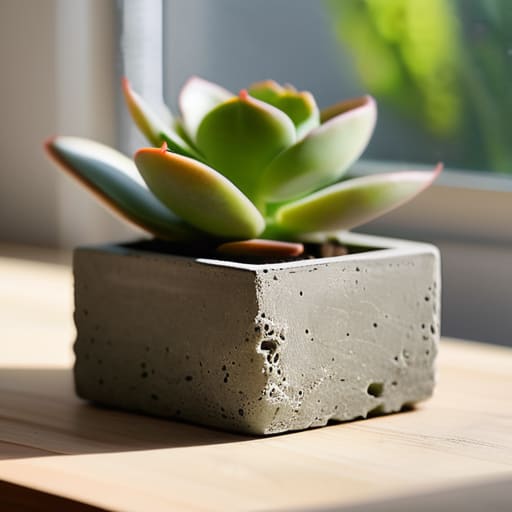
If you’re like me and living in a space where every square inch counts, you know that big, flashy decor usually just ends up feeling like clutter. I started making these tiny concrete planters because I wanted a way to bring some greenery indoors without spending twenty bucks on a ceramic pot at a boutique. All you really need is a bit of quick-set cement and some old yogurt containers or plastic cups to act as makeshift molds.
Industrial Candle Holders
I used to buy these heavy, expensive stone candle holders from home decor stores, but then I realized I could just make them for a fraction of the cost using leftover cement. You can use anything from a discarded juice carton to a small silicone baking mold to get the shape you want. I personally love using tea lights because they’re easy to swap out, but if you’re feeling ambitious, you can cast a larger well for a pillar candle.
Desktop Organizers That Actually Work
My desk is usually a disaster zone of pens, Washi tape, and random scraps of paper, so I needed a way to corral the chaos without buying a plastic organizer that looks cheap. By casting a few different-sized concrete cylinders, I’ve been able to create a custom station that feels heavy and high-end. It’s much more satisfying to grab a pen from a solid concrete cup than a flimsy piece of plastic.
Brutalist Incense or Match Holders
There is something so calming about lighting incense at the end of a long day, but finding a holder that matches my minimalist vibe is surprisingly hard. Most of what I find online is either too delicate or way too expensive. I started making these small, chunky concrete blocks just to hold my matches or incense sticks, and they’ve become my favorite little ritual items.
Coasters for Your Morning Coffee
Let’s be real: coffee rings on a thrifted wooden coffee table are a nightmare. Instead of buying a set of coasters that will probably just sit in a drawer, I made a set of heavy-duty concrete ones. They have a great weight to them, so they don’t slide around when you’re setting down a heavy mug, which is a small but very important detail for my daily sanity.
The Bottom Line on Concrete DIYs
Don’t let the “aesthetic” intimidate you; concrete is meant to look a little raw and imperfect, so stop stressing about every tiny air bubble or uneven edge.
Save your money by scavenging for containers—old yogurt tubs, cracked terracotta pots, or even sturdy cardboard boxes work just as well as expensive silicone molds.
Focus on utility over clutter; if the piece you’re making doesn’t actually serve a purpose in your space, it’s just more dust for you to clean up later.
Stop Overthinking and Just Start Pouring
At the end of the day, whether you’re making a tiny succulent planter for your windowsill or a heavy-duty tray for your coffee table, the goal isn’t to create something that looks like it belongs in a high-end boutique. It’s about the satisfaction of taking a bag of cheap cement and turning it into something actually useful for your space. We’ve covered everything from simple casting to adding a bit of texture, and the main takeaway is that you don’t need a massive workshop or a professional setup to get these results. You just need a little bit of patience and a willingness to get your hands a bit dusty while you experiment with what you have on hand.
I know it can feel intimidating to start a new DIY project when you’re worried about wasting money or making a mess, but I promise you, the “perfect” aesthetic is overrated. If your first concrete coaster comes out slightly lopsided or a bit more porous than you planned, let it be. That’s just part of the charm of making things with your own two hands. Don’t let the fear of a failed project keep you from building a home that feels like yours. Grab a mold, mix up a batch, and just see what happens. You might be surprised at how much joy a few dollars’ worth of concrete can bring to your daily routine.
Frequently Asked Questions
Do I really need to buy professional-grade cement, or can I just use some leftover bags from a hardware store?
Honestly, please don’t go out and drop fifty bucks on “professional-grade” stuff just for a couple of planters. If you’ve got leftover bags from a hardware store, use them. For what we’re doing—small, functional pieces like coasters or little catch-alls—standard bag mix is more than enough. Just make sure it’s not clumpy or expired, and maybe grab a cheap bucket to mix it in. Let’s keep the budget where it belongs: in our pockets.
How do I stop my concrete pieces from cracking or looking all dusty and unfinished once they dry?
Honestly, the “dusty” look is just unsealed pores, and the cracking? That’s usually from drying too fast or not mixing enough sand. To fix the dust, once it’s fully cured, hit it with a concrete sealer or even just some beeswax—it makes a huge difference. For cracks, try adding a little more fine sand to your mix next time, or just embrace them. A tiny crack adds character; it’s not a defect, it’s lived-in.
What’s the best way to seal these so they don't ruin my wooden desk or leave white rings everywhere?
Honestly, the worst feeling is spending hours on a DIY project only to see a permanent white ring on your desk. To keep your wood safe, skip the cheap sprays. I usually go with a matte water-based sealer—it’s less “plastic-y” looking. If you’re using something for planters, make sure it’s fully cured before it touches wood. And if you’re extra paranoid? Just use a cork coaster. Better safe than sorry.