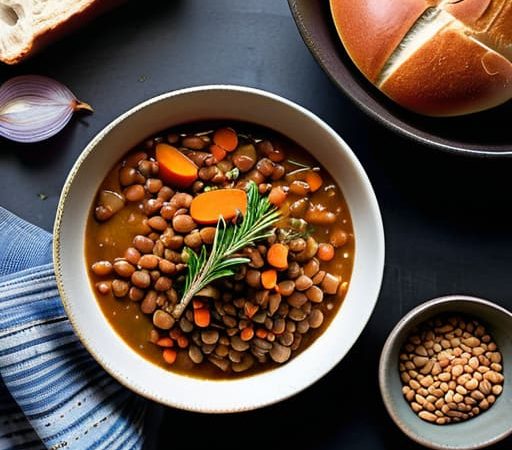
Prepare Your Meals Ahead of Time to Save Your Week
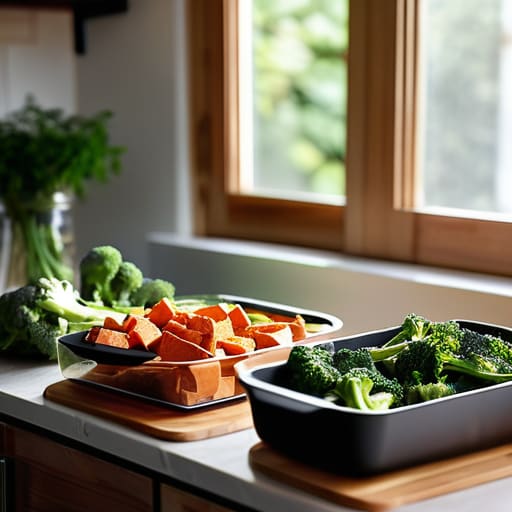
I am so tired of seeing those aesthetic, color-coded meal prep videos where someone spends six hours on a Sunday assembling thirty identical plastic containers of steamed broccoli and plain chicken. Honestly, it looks exhausting, and let’s be real—it’s a recipe for burnout. If you’re trying to master make ahead meals just to replicate some influencer’s perfect, sterile kitchen vibe, you’re doing it wrong. I grew up in a tiny apartment where “meal prep” wasn’t a lifestyle choice; it was a survival tactic to make sure I didn’t spend my entire freelance paycheck on mediocre takeout because I was too tired to function.
I’m not here to sell you on a complicated system that requires a professional-grade kitchen and a mountain of expensive Tupperware. Instead, I want to show you how to build a functional rotation of food that actually tastes good on Thursday. We’re going to focus on low-effort, high-reward strategies that use what you already have in your pantry. My goal is to help you reclaim your evenings without turning your kitchen into a high-stress production line. Let’s get into some realistic ways to eat well without the performative nonsense.
Budget Friendly Batch Cooking Without the Fancy Gadgets
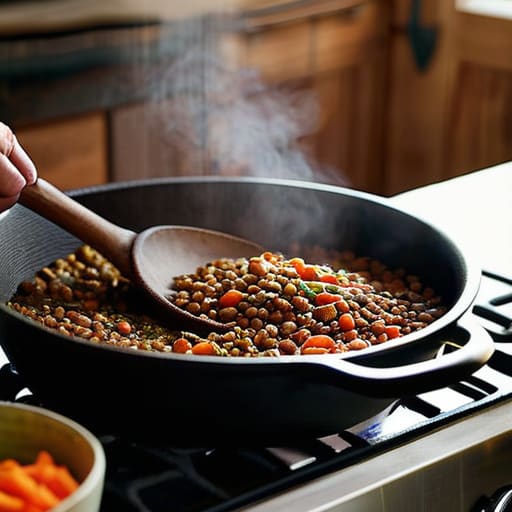
Look, you don’t need a $400 high-speed blender or a set of matching, aesthetic glass jars to get this right. I used to think I needed a whole arsenal of specialized equipment before I could even start, but honestly? That’s just a way to waste money you don’t have. For real budget friendly batch cooking, the best tool you own is probably just a large pot and a heavy-duty spatula. I usually stick to one-pot wonders—think hearty lentil stews or big batches of chili—because they’re easy to scale up and they don’t require a million different pans to clean up afterward.
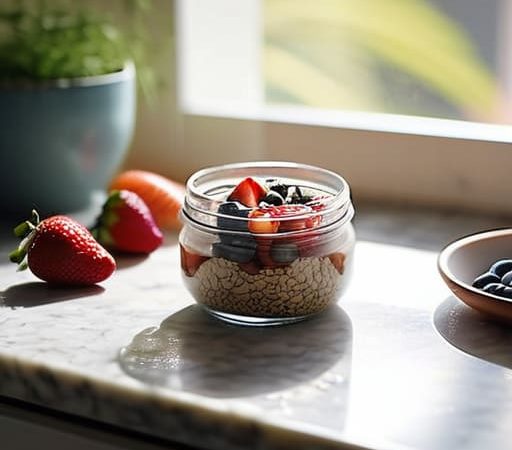
When it comes to storage, stop scrolling through those expensive “organization” videos. If you’re tight on cash, reuse whatever glass jars or Tupperware you already have in the back of your cupboard. If you’re looking into how to freeze cooked meals effectively, just make sure you leave a little bit of headspace in your containers so things don’t expand and crack the lids. It’s not about looking like a Pinterest board; it’s about having something edible ready when you’re exhausted.
Nutritious Grab and Go Lunches for Real Life
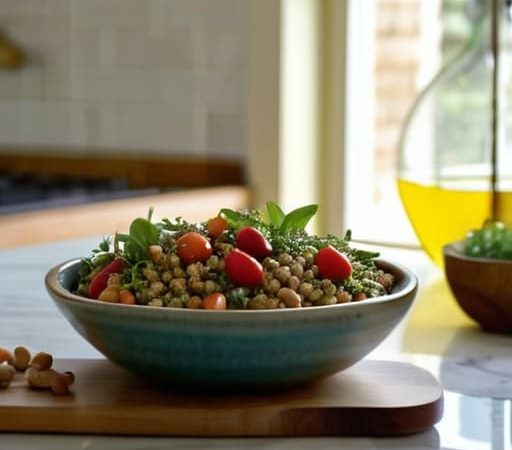
Let’s be real: most “healthy meal prep for busy professionals” looks like a Pinterest board filled with perfectly cubed watermelon and color-coordinated quinoa bowls. In my experience, that’s just a recipe for burnout. When I’m rushing between copywriting clients or checking on the community garden, I don’t have time for aesthetic salads that wilt by noon. Instead, I focus on nutritious grab and go lunches that are actually sturdy. Think hearty grain salads with chickpeas, or even just a simple mason jar of lentil soup. If it can survive being tossed in my bag without turning into a mushy mess, it’s a win in my book.
The secret to making this work without spending your entire Sunday in the kitchen is simple: don’t overthink it. I usually lean into weekly meal planning strategies that prioritize leftovers rather than cooking five entirely new recipes. If I made a massive pot of veggie chili for dinner, I’m immediately portioning out two servings for lunch. If you find yourself with way too much, don’t let it go to waste—invest in some decent meal prep containers for freezing so you can stash those extra portions for the days when you truly have zero energy to cook.
5 ways to actually make this work (without losing your mind)
- Stop trying to cook five different recipes in one afternoon. Pick one base—like a massive pot of grains or roasted veggies—and just use it in three different ways throughout the week. It saves so much mental energy.
- Invest in a few decent, reusable glass containers instead of a mountain of cheap plastic. They last longer, they don’t stain when you’re storing tomato sauce, and they actually make your fridge look like you have your life together.
- Embrace the “ugly” meal. If your batch-cooked chili looks a little messy or your veggie medley isn’t Instagram-worthy, who cares? It’s food, not a photoshoot. If it tastes good and it’s ready when you’re hungry, it’s a win.
- Don’t forget the freezer. If you realize you’ve made way more soup than you can eat in four days, portion it out and freeze it immediately. It’s basically a free “emergency meal” for those nights when you’re too exhausted to even think.
- Keep your spices accessible. A meal can go from “boring leftovers” to “actual dinner” with just a quick shake of some red pepper flakes or a squeeze of lemon. Don’t let your prep get stale just because you forgot to season it.
The Real Way to Make This Stick
Forget the “aesthetic” meal prep containers; just use whatever Tupperware you already own so you don’t feel guilty about not spending $50 at a kitchen store.
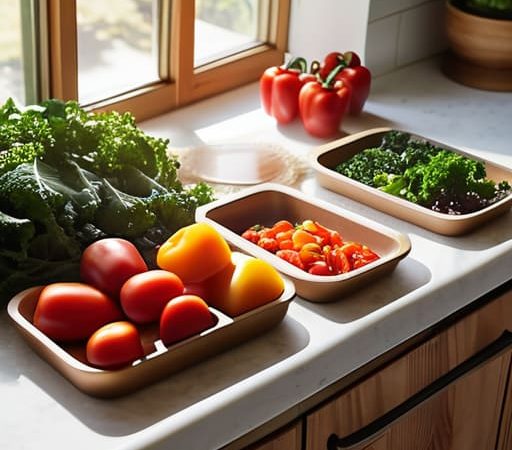
Don’t try to cook five new recipes at once—just pick one base ingredient, like a big pot of grains or roasted veggies, and use it in different ways throughout the week.
Give yourself permission to fail; if you end up ordering takeout on a Wednesday, don’t scrap the whole plan, just pick back up with your next meal.
The Bottom Line
Look, we’ve covered a lot, but if you walk away with nothing else, remember this: meal prepping isn’t about spending five hours on a Sunday in a pristine kitchen with matching glass containers. It’s about using your budget wisely, making the most of the ingredients you already have, and realizing that a simple batch of roasted veggies and some grains is infinitely better than the $15 takeout you’ll regret ordering when you’re exhausted. Whether you’re batch cooking on a single burner or just assembling some grab-and-go lunches to survive a hectic workday, the goal is functional fuel, not a Pinterest-perfect spread.
At the end of the day, I want you to stop feeling guilty for not having a “perfect” routine. Life is messy, your kitchen might be small, and some weeks you just won’t have the energy to prep anything at all—and that is totally fine. The point of making ahead is to give yourself a little bit of breathing room, not to add another chore to your list. Start small, use what you’ve got, and focus on what actually makes your life easier. You don’t need a lifestyle overhaul; you just need a plan that actually works for the person you are right now.
Frequently Asked Questions
How do I keep my make-ahead meals from tasting like mushy leftovers by Thursday?
The “mushy leftover” phenomenon is usually just a texture issue caused by overcooking everything at once. My rule? Undercook your grains and veggies slightly during the batch cook. If you’re making roasted broccoli or quinoa, leave them with a bit of a bite; they’ll soften perfectly when you reheat them later. Also, keep your sauces separate. Drowning your food in dressing on Sunday is a one-way ticket to soggy sadness by Thursday.
Do I really need to buy all those matching glass containers, or can I just use whatever I have in my cupboard?
Honestly? Absolutely not. Please don’t let those aesthetic “pantry goals” videos trick you into spending $80 on a set of matching glass containers you don’t need. If you have old Tupperware, mismatched deli containers, or even some sturdy jars from pasta sauce, use them. The goal is to save time and money, not to win a home decor award. As long as they’re airtight and food-safe, what they look like doesn’t matter.
What's the best way to meal prep if I actually hate spending my entire Sunday in the kitchen?
Honestly? Stop trying to do “Sunday Meal Prep.” The idea that you have to spend five hours in a flour-covered kitchen to be “organized” is a lie that just leads to burnout. Instead, try “component prepping.” Roast a big tray of veggies, boil some grains, and cook a protein while you’re already making dinner on a Tuesday. It’s less overwhelming, and you aren’t stuck eating the exact same Tupperware meal for five days straight.